When a sewer camera inspection reveals a cracked, root-invaded, or deteriorating sewer line, the next question is always the same: what will the repair involve, and do you really have to dig up the whole yard to fix it? For many Newark-area homes, the answer to the second question is no. Trenchless sewer repair fixes the pipe from the inside, usually through one or two small access points, without trenching across your lawn, driveway, or landscaping.
But "trenchless" isn't one fixed job, it's a method, and the work involved depends on your pipe's length, diameter, condition, and how hard it is to reach. This blog post breaks down what actually shapes a trenchless sewer repair in Delaware, how it compares to traditional excavation, and how to get a clear plan for your home. One note upfront: every sewer line is different, so be wary of anyone recommending a method without a camera inspection. Call (302) 412-8659 for clear options based on what your pipe actually looks like.
What Trenchless Sewer Repair Actually Involves
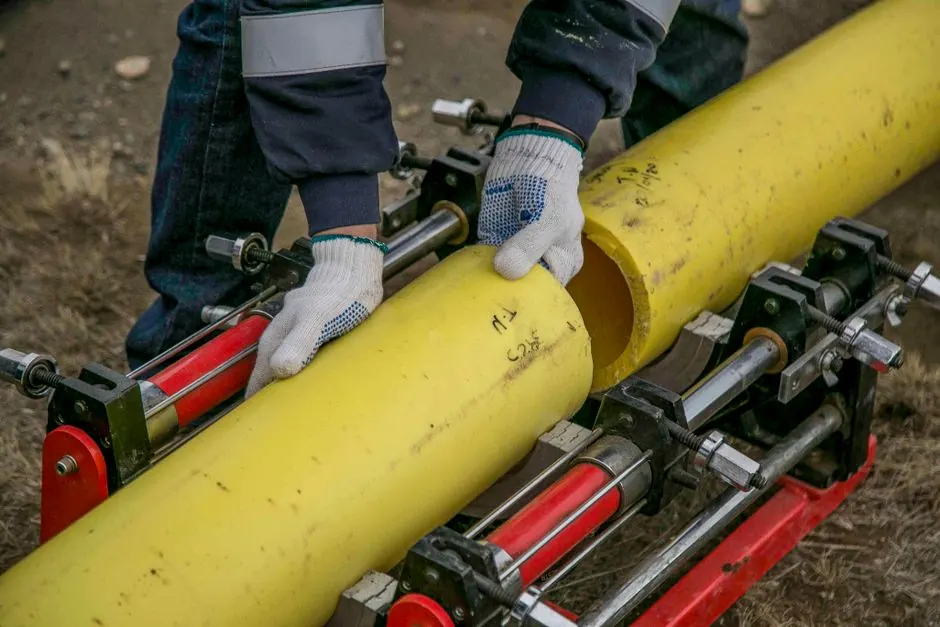
Before comparing methods, it helps to know what the work involves. There are two main trenchless methods. Cured-in-place pipe (CIPP) lining, the most common, involves pulling or inverting a resin-saturated liner into the old pipe, inflating it, and curing it in place. The result is a smooth, jointless new pipe formed inside the old one. Pipe bursting pulls a bursting head through the old pipe, fracturing it outward while towing a brand-new pipe in right behind it.
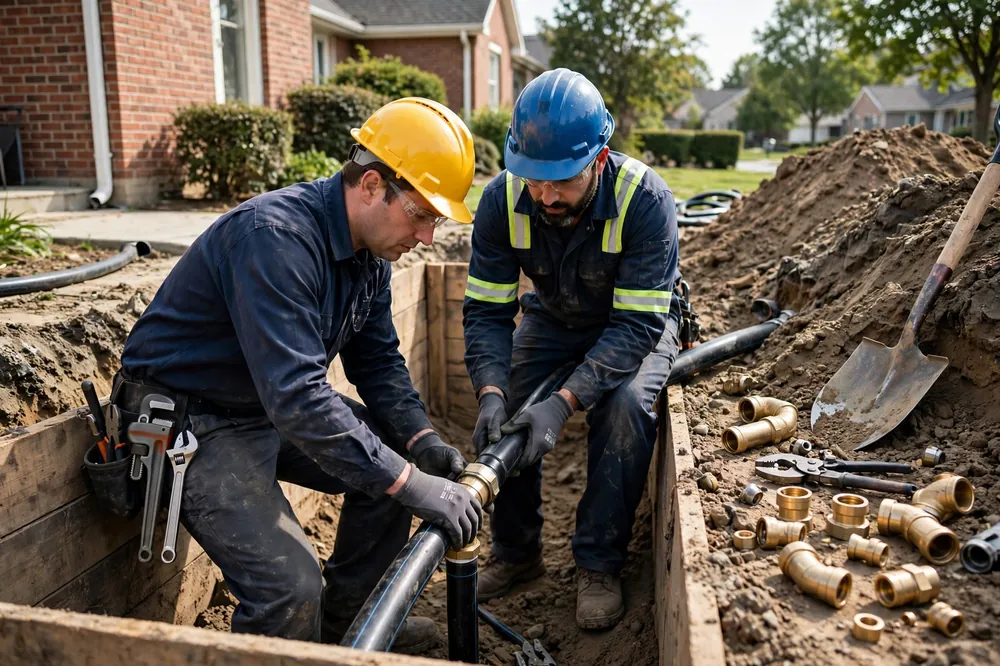
Both methods typically need only small access pits at the start and end of the run, sometimes just an existing cleanout. Compare that with traditional excavation, which means an open trench along the entire length of the pipe, plus putting your yard, walkway, or driveway back together afterward. That difference in digging is the heart of the comparison.
Factor 1: How Much Pipe Needs Repair
Length is the single biggest factor shaping the job. Trenchless materials and labor scale with the number of feet being repaired: a short 15-foot section under a walkway is a fundamentally different job from a full 80-foot run from the house to the street. Longer runs need more liner material, more resin, more curing time, and more labor.
This is also where a camera inspection earns its keep. Sometimes only part of a line is damaged, a cracked section here, root intrusion there, and a targeted repair is possible. Other times the whole line is at the end of its life and a full-length liner makes more sense than patching one bad spot after another. You can't know which situation you're in until someone looks inside the pipe.
Factor 2: Pipe Diameter and Condition
Larger-diameter pipe takes more material to line, and more time to prepare and cure. Most residential sewer lines are 4 inches in diameter, but some homes have 6-inch lines, and commercial properties run larger still. The condition of the existing pipe matters too. A pipe with light cracking and moderate root intrusion needs standard prep. A pipe with heavy scale, offset joints, or partial collapse needs more aggressive cleaning and preparation before a liner can go in, and in the worst cases, lining may not be possible at all.
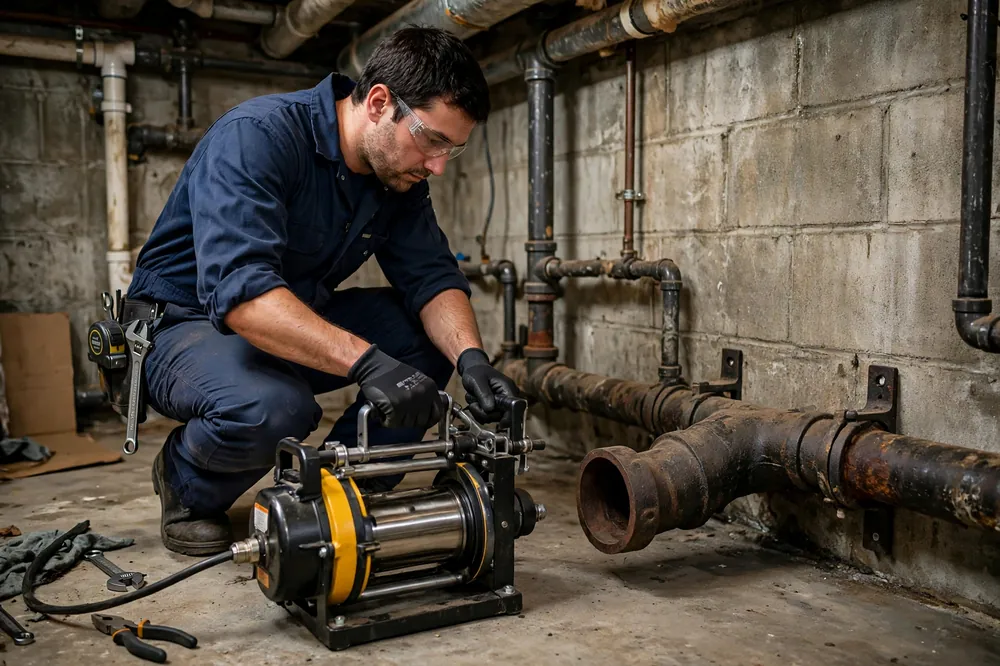
Pipe material plays a role as well. Clay tile with separated joints, cast iron with heavy internal corrosion, and Orangeburg (a fiber-based pipe used in some mid-century homes) each present different challenges for preparation and lining. A sewer camera inspection identifies the material and its condition before anyone recommends a repair method.
Factor 3: Access, Cleanouts, Depth, and Obstacles
Trenchless means minimal digging, not zero setup. If your home already has an accessible sewer cleanout in the right location, the crew can often work through it with no excavation at all. Without a cleanout, small access pits must be dug at the insertion and retrieval points, and digging gets slower and harder with depth. A shallow line a few feet down is quick work; a deep line is slower and needs shoring for safety.
What's above the line matters too. A straight run under an open lawn is the easy case. A line running under a concrete driveway, a patio, mature trees, or a retaining wall complicates access and restoration, which is exactly the scenario where trenchless shows its advantage, since excavation through those obstacles would mean far more digging and restoration to put right.
Factor 4: Which Trenchless Method Your Pipe Needs
CIPP lining and pipe bursting aren't interchangeable, and the right choice shapes the work involved. Lining is the go-to for pipes that are structurally intact enough to host a liner, cracked, root-invaded, or corroded, but still holding their shape. Pipe bursting is used when the old pipe is too far gone to line but the path is still viable, the bursting head needs something to follow, so a fully collapsed or severely bellied section can rule it out.
Bursting involves different equipment and typically installs a completely new pipe, which changes the material and labor picture. Your contractor should explain why they're recommending one method over the other, "this is what our equipment does" is not a good enough reason. The camera footage should drive the decision.
Factor 5: Cleaning and Camera Work Before the Repair
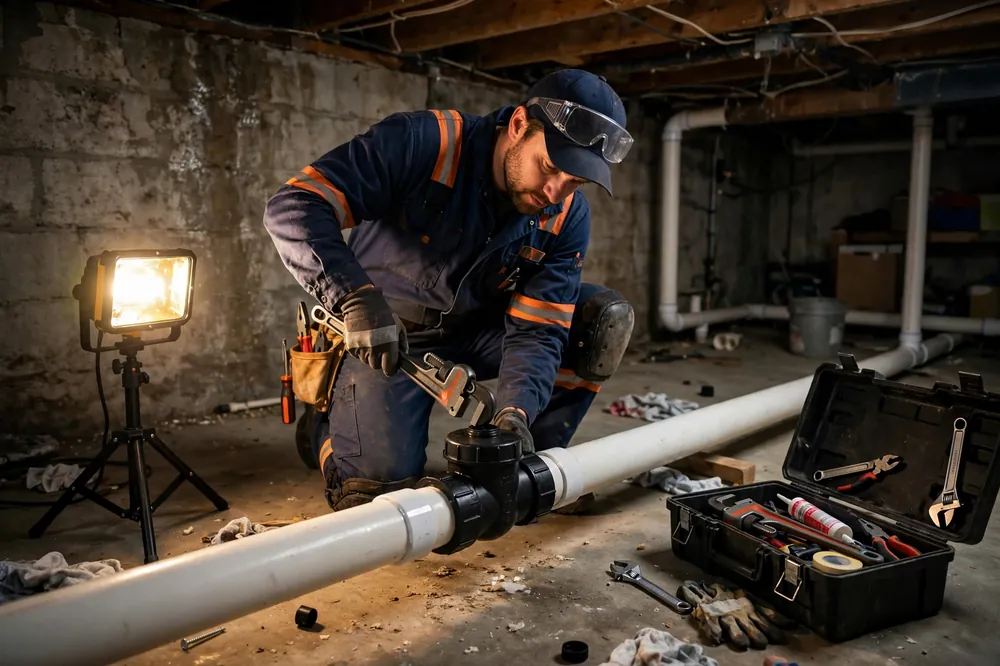
A liner can't bond to a dirty pipe. Before any trenchless repair, the line must be thoroughly cleaned, usually with hydro-jetting, sometimes with mechanical root cutters or descaling tools, and then inspected on camera to confirm it's ready. Heavy root intrusion or thick scale means more prep time, and that prep is real labor with specialized equipment.
Some plans bury this prep work in fine print or treat it as an add-on. It isn't optional, so make sure any plan you compare includes the cleaning and the pre- and post-repair camera inspections. A post-repair camera run is how you verify the liner cured properly and the full run is covered, don't skip it.
Factor 6: Permits, Inspections, and Restoration
Sewer work in Delaware typically requires a permit and an inspection from the local authority, and the permit and inspection requirements vary by municipality. Even a trenchless job leaves small access pits to backfill and restore, far less than an open trench, but not zero. If access pits land in a lawn, expect regrading and reseeding; in a driveway, a concrete or asphalt patch.
Ask what's included in restoration before you sign. The lightest plan that leaves you with two open pits and a permit headache isn't the best job. A complete plan covers the permit, the inspections, and leaving your property as close to its original condition as the work allows.
Trenchless vs. Traditional Digging: The Honest Comparison
Here's the comparison homeowners actually need. The trenchless repair itself, the lining or bursting work, can involve more specialized equipment per foot than simply digging up the pipe and replacing it. If you stop the comparison there, excavation looks simpler. But excavation doesn't stop there.
Open-trench replacement adds: days of digging labor, disposal of excavated soil, new pipe and bedding material, backfilling and compaction, and then the big one, restoration. Replacing a torn-up driveway, rebuilding a patio, re-sodding a lawn, replacing mature plantings, repairing walkways or curbs. On a line that runs under hardscaping or landscaping, restoration alone can outweigh the pipe work itself. Once you add it all up, trenchless is often the smaller overall job, and even when it's close, you get your yard back in days instead of weeks.
The fair way to compare plans: ask every contractor for the full scope, repair, permits, inspections, and full restoration. That full scope is what matters, not a per-foot slice of the job.
When Trenchless Isn't the Right Answer
Trenchless is excellent, but it isn't universal. A reputable contractor will tell you when excavation is the honest recommendation. Trenchless generally can't fix a fully collapsed pipe (there's nothing to line or follow), a severe belly, a sagging section where the liner would just follow the sag and still hold water, or a line with the wrong slope or grade problems. In those cases, traditional excavation and replacement lets the crew correct the slope and bedding properly.
Be cautious of any company that recommends trenchless for every situation, or excavation for every situation. The camera footage should determine the method, and you should be shown that footage, not just told about it.
How to Get a Clear Plan for Your Sewer Line
It starts with a sewer camera inspection. That's the only way to know the pipe's length, diameter, material, condition, and the location of the damage, the five facts every real plan is built on. From there, you should receive upfront options: what's wrong, what each fix involves, and what each visit covers, before any work begins.
Express Drain Rescue serves Newark, Wilmington, New Castle, and communities across New Castle County. If you're weighing trenchless pipe lining against excavation, call (302) 412-8659, we'll camera your line, show you exactly what we find, and give you straight options with a clear written plan.